

How to Perform Nose Waxing: Technique, Tools & Supplies for Estheticians
Nostril waxing is more popular than ever, as more men and women seek longer-lasting solutions to unwanted nose hair. Of course, safe nose hair removal requires a delicate touch and a solid understanding of nasal anatomy. Join us to learn if a nose wax might be a good addition to your spa menu!
Why Add Nose Waxing to Your Service Menu
A nose wax is a quick, high-margin add-on that pairs naturally with brow waxing sessions and facial appointments. It uses relatively little product and takes only a few minutes to complete. There’s also growing demand for these services – especially among male clients.
Professional vs. At-Home Nose Waxing
Let’s explore what distinguishes a professional nose wax from a DIY job.
Why Clients Reach for At-Home Kits
Some clients may feel tempted by the convenience of an at-home nose wax kit. These DIY systems are generally affordable and promise easy grooming on a budget, making them appealing to clients who:
-
Already wax other areas at home
-
Want to manage hair removal on their own schedule
-
Don’t want to schedule an appointment for such a small treatment area
-
Are looking for a cheaper alternative to salon services
It’s your job to demonstrate why professional treatments are safer and more comfortable.
What a Professional Service Does Better
A skilled waxing technician understands both the theoretical and practical nuances of a great nose wax. As an esthetician or waxing pro, you use controlled application techniques to prevent burns and irritation. You have the insight to recognize potential contraindications, and the technical expertise to provide more consistent results.
Supplies & Tools You'll Need
So, how can you give your clients the best nose wax treatment available? Here are the supplies and tools needed for a safe, comfortable, and effective session:
Choosing the Right Wax
The skin inside the nostrils is highly sensitive, so a gentle hard wax is the key to a comfortable nose waxing session. Unlike soft wax, these products adhere only to hair, not skin, and they don’t require a strip for proper removal. In fact, they’re designed for small, sensitive, hard-to-see treatment areas.
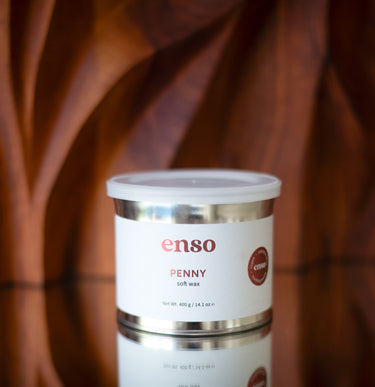
Formulas with a low melting point, such as our Penny Hard Wax or Patina Hard Wax, can reduce the risk of burns and irritation. That said, you should always double-check the temperature of your wax before application.
Applicators Sized for the Nostril
Even the most highly experienced nose wax specialists are working with limited visibility during these treatments. Small, precision applicators enable controlled, targeted placement, allowing you to:
-
Pick up appropriate amounts of wax
-
Apply it only to intended hairs
-
Avoid unnecessary contact with surrounding tissue
-
Maintain control in a narrow treatment area
Remember, always work with a fresh, single-use applicator for each application.
Step-by-Step Technique
Ready to master the art of nose waxing? Here’s our step-by-step guide to the perfect technique:
Prep & Positioning the Client
You’ll begin by gently cleaning the area to remove any topical products, such as lotion, sunscreen, or makeup. Then, have them sit or lie down in a position that allows them to keep their head stable and gives you a clear, well-lit view of the treatment area.
Application & Removal
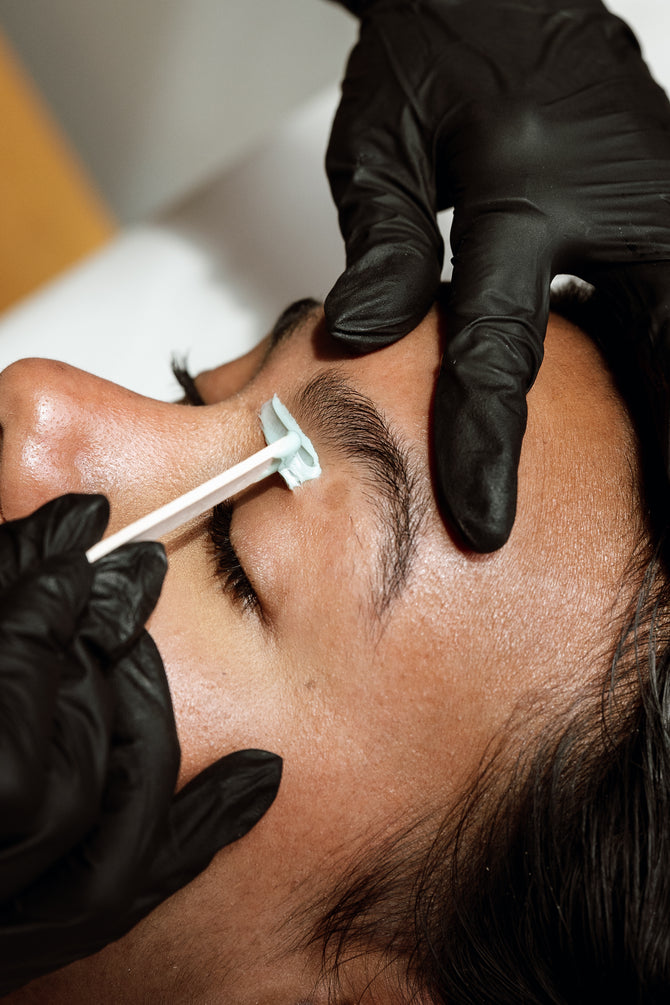
After confirming the temperature of your wax, use a precision applicator to apply a small amount of hard wax just inside the nostril opening. Never place wax deeper inside the nasal cavity, as it can damage mucous membranes and sensitive tissues. Remember, you’re only targeting visible hairs.
Allow the wax to set, then remove it using a quick, controlled motion to minimize discomfort.
Finally, inspect the nostrils and surrounding skin for residual hair, excess wax, redness, and irritation. If absolutely necessary, you can use the smallest amount of wax possible to go back over any remaining nose hair. However, it may be safer to use a trimmer or other nose hair remover to prevent pain and inflammation.
Safety Considerations
A nose wax can present a number of risks, so understanding the safety considerations is essential.
Contraindications
Not everyone is a good candidate for a nose hair wax. Before any session, ask your client about their medical history. It’s best to decline treatment if they have any of the following risk factors:
-
Recent nasal surgery
-
Active infection
-
Existing irritation
Common Mistakes to Avoid
Even with the perfect candidate for treatment, poor technique can lead to major discomfort during a nose wax. Some of the most common mistakes include applying wax too deep into the nasal cavity, using too much product, and failing to patch test wax on new clients.
Be sure to perform a temperature check and avoid waxing over the same area twice.
Setting Client Expectations & Aftercare
It’s always a good idea to talk your clients through your procedure as you perform it, reminding them to breathe before any sharp sensations. You should also be upfront about potential side effects, such as redness, tenderness, and sensitivity.
Inform your clients about proper aftercare protocols to follow in the first 24 to 48 hours after treatment, including:
-
Don’t pick, rub, or touch the treatment area
-
Avoid unnecessary friction
-
Stick to gentle skincare products
-
Avoid direct sun exposure
Shop the Best Nose Wax Supplies at Enso!
Enso Wax is your source for premium hard and soft waxes for every job. Explore our collections today to get started!