
Unwanted facial hair comes in many forms, from coarse and wiry to fine and wispy. It can interfere with makeup application, inhibit product absorption, and take a toll on your clients’ confidence levels. Learning how to safely and effectively get rid of peach fuzz on the face can set you apart as an esthetician and help your clients achieve their goals!
What exactly is peach fuzz on the face?
Also known as vellus hair, peach fuzz is the fine, soft hair that covers the face and body. Unlike terminal hairs (the thicker, coarser strands on the scalp, eyebrows, and pubic area), these hairs usually remain very short and nearly translucent.
Why do we have it?
Peach fuzz is an evolutionary holdover that continues to serve several important purposes, including:
-
Thermoregulation: Helps insulate the body by trapping a thin layer of air close to the skin.
-
Sensory function: Each hair follicle contains nerve endings, which enhance sensitivity to light touch and airflow.
-
Skin protection: Vellus hairs help distribute natural oil or sebum across the skin, creating a protective barrier against dust and other particles.
Common myths about peach fuzz
There are many misconceptions about peach fuzz on the face. Here are a few of those myths and the truths behind them:
-
Hair removal makes peach fuzz grow back thick and dark: Shaving, waxing, dermaplaning, and depilatory creams do not affect the hair follicle.
-
Only women have peach fuzz: All humans have peach fuzz. However, male hormones convert more vellus hairs into terminal strands during puberty.
-
Vellus hairs mean skin is unhealthy: Peach fuzz is completely natural – some people simply have more of it than others.
-
Removing peach fuzz damages the skin: When performed carefully, it’s safe to get rid of peach fuzz on the face.
-
Vellus hairs cause acne: While peach fuzz can harbor acne-causing bacteria, these strands are not the root cause of acne.
When to see a healthcare provider
The presence of fine, thin vellus hairs is normal, but it’s smart to see a dermatologist or other medical provider if there are sudden changes in thickness or density or if facial hair changes occur alongside other symptoms, such as irregular periods, weight fluctuations, and fatigue.
How to get rid of peach fuzz on your face
Since peach fuzz on the face is thin, fine, and contains little melanin, you can’t get rid of it with laser hair removal or an IPL device. Although electrolysis can offer permanent results, the process for vellus hairs is incredibly tedious and time-consuming, making it impractical for many.
Here are some of the most effective and accessible options:
Waxing
Waxing removes hair at the root, so your clients can enjoy smooth, silky skin for weeks after each application. In some cases, this technique can also eliminate dead skin cells and reduce the risk of ingrown hairs.

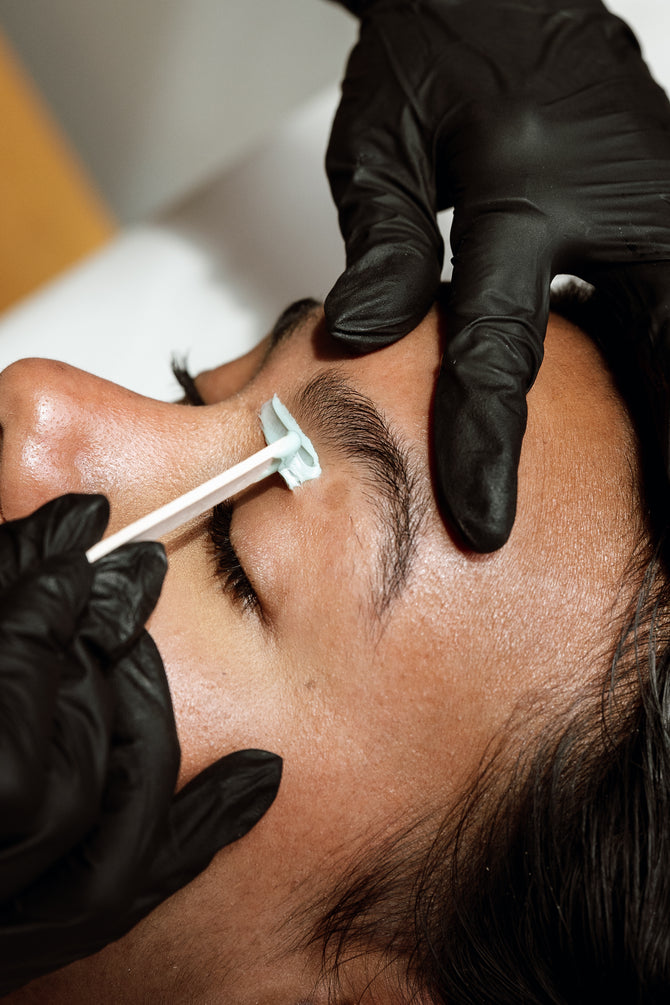
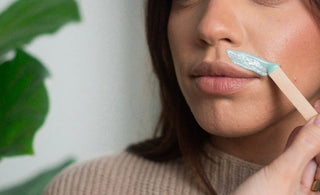
Estheticians apply a warm, hard wax in the direction of natural hair growth, then remove it in the opposite direction. While some people with sensitive skin types find this uncomfortable, waxing remains one of the most popular ways to get rid of peach fuzz on the face.
Dermaplaning
Often incorporated into anti-aging skincare treatments, dermaplaning uses a surgical-grade scalpel or dermaplaning tool to skim off unwanted facial hair and gently exfoliate the skin. It provides a much closer shave than a razor, for results lasting up to two to three weeks.
Shaving
A basic shave is quick, easy, and affordable, but it doesn’t offer the longevity of waxing or the exfoliation of dermaplaning. Most razors include plastic guards that prevent cuts, limiting the closeness of any shave. It’s normal to see regrowth within one week.
Best practices for removing peach fuzz from the face
Facial skin is thinner and more vascular than skin in other areas, so waxing to remove peach fuzz requires a delicate approach.
Prep the skin
Always complete a thorough consultation and skin assessment before taking on a new waxing client. This reduces potential risks by ensuring they haven’t recently used retinols, exfoliating acids, or blood thinners. Ask about any sun exposure, skin conditions, facial procedures, and other relevant questions.
The day of your new client’s first facial wax, they should arrive with clean skin free of cosmetics and topical products. You will then perform a final cleanse, dry that area thoroughly, and apply a pre-wax oil, if needed.
Use the right technique
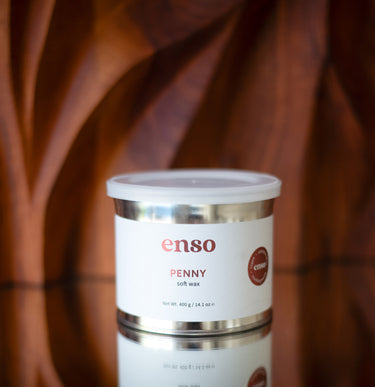
To get rid of peach fuzz on the cheeks, upper lip, and chin, it’s important to use high-quality hard wax that grips tightly onto hair without adhering to the skin. Our Penny Hard Wax is antimicrobial, hypoallergenic, and rosin-free, leaving skin super smooth without any lingering irritation.
As always, perform a patch test before using a new wax on any client.
Follow proper aftercare

How your clients care for their face after a wax is essential for their comfort and overall success. Immediately after a session, apply a specialized post-wax cream or oil to soothe and hydrate the skin. Then, encourage your client to drink plenty of water, keep skin moisturized, and avoid the following for 24 to 72 hours:
-
Makeup
-
Sun exposure
-
Heat, sweating, and friction
-
Touching or picking at dead skin cells
-
Exfoliation
Discover why estheticians love Enso Wax products in the studio!
From fine vellus hairs to thick, coarse strands, Enso Wax offers the best waxes for any type of facial or body hair. Shop our collection to find your new favorite!